

Digital Media Strategy: Planning PR and Content Across Channels
27 Aug 2026, Theja Ram


27 Aug 2026, Theja Ram


A digital media strategy gives PR and content teams a shared plan for where a brand shows up online and why. Without one, press coverage, social posts and website content often move in separate directions, and messages lose consistency across channels. This article explains what a digital media strategy covers, why it matters for PR and content work and how to build and run one, including a step-by-step approach to planning a PR and content calendar.
A digital media strategy is a planned approach to how a brand communicates and earns visibility across digital channels, including earned media, owned content, and social platforms. It sets clear objectives and coordinates activity so that PR, content and marketing teams work toward the same outcomes instead of running separate campaigns.
Most digital media strategies address these areas.
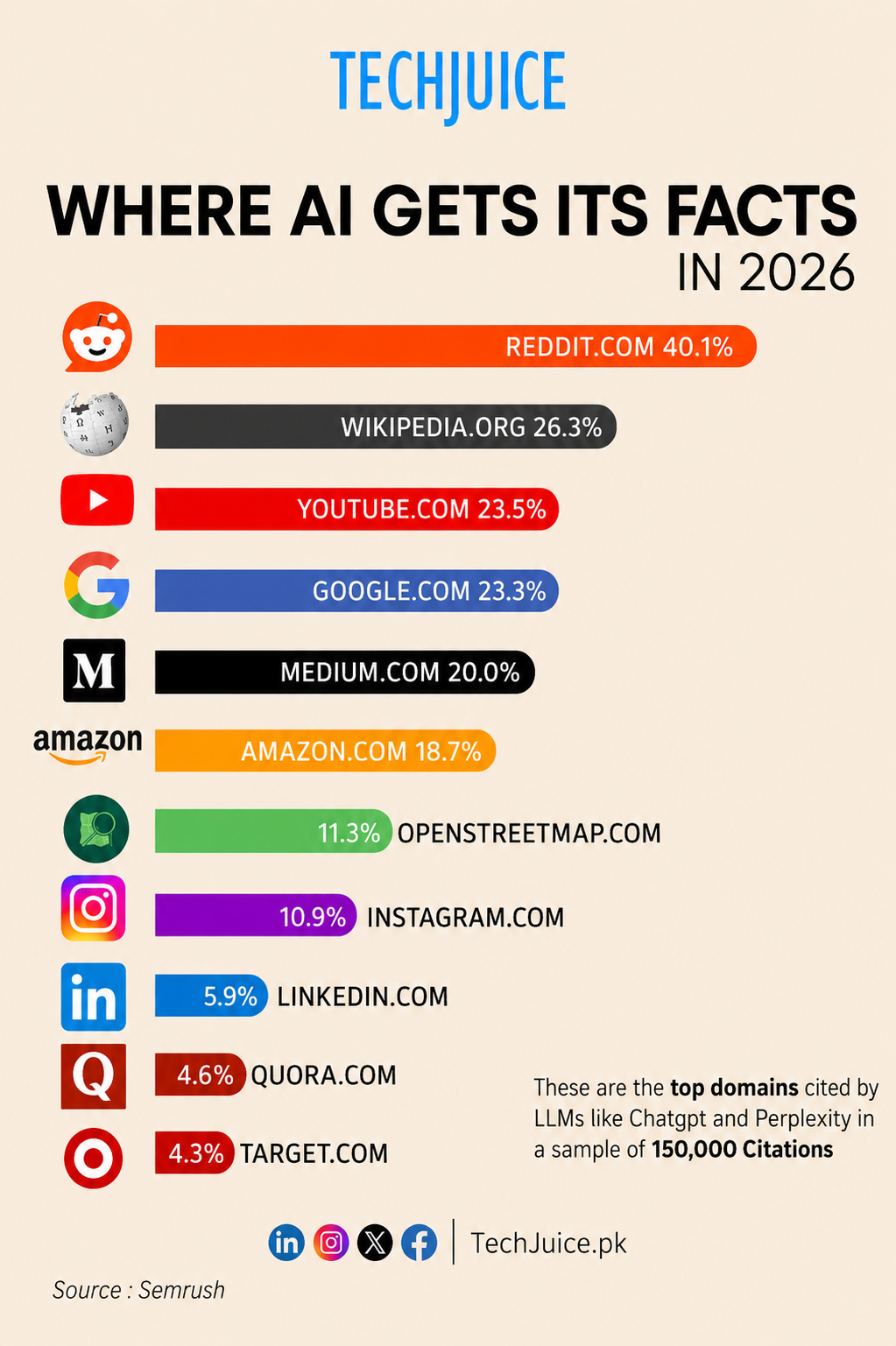
Search engines and AI answer tools increasingly treat a digital media strategy as a defined discipline with its own components, which makes a clear, structured definition useful for both readers and search visibility.
PR and content activity often runs across many channels at once, including press coverage, the company blog, social platforms, and email. A digital media strategy gives that activity a shared direction, so each channel reinforces the others instead of working in isolation.
A planned approach helps in several ways.
When PR and content teams plan together, a single media placement or company announcement can generate a full week of coordinated activity rather than one isolated post.
Building a cross-channel strategy starts with a short planning phase before any content goes live. The plan does not need to be complex, but it needs to cover a few core stages in order.
Working through these stages in sequence keeps the strategy grounded in objectives rather than focusing on channel activity for its own sake.
Once the strategy is set, content planning determines how a single idea moves across channels. The goal is not to explain PR fundamentals again, but to show how one piece of work supports several channels at once.
Planning content this way extends the reach of each piece of work and reduces the amount of original content a team needs to produce from scratch.
A practical PR and content calendar follows six stages.
Several recurring mistakes reduce the impact of PR and content work across channels.
Addressing these mistakes early prevents PR and content teams from working against each other instead of together.
Star Squared PR works with brands spanning multiple industries including AI and deep tech start-ups, technology, healthcare, BFSI and manufacturing, education, hospitality and real estate, to plan and run PR and content activity across digital channels. The agency supports brands through every stage of a digital media strategy.
Brands looking for coordinated digital media marketing services, rather than PR and content run as separate workstreams, can work with Star Squared PR to build and manage that strategy.
A digital media content strategy is a plan for how a brand creates and distributes content across digital channels in support of broader PR and marketing objectives.
An example is a company mapping a product launch across a press release, a blog post, and supporting social content, all built around the same core message and released on a coordinated schedule.
Most strategies include earned media, owned content such as a company blog or website, and social platforms, with the exact mix depending on where the target audience is most active.
Teams need PR and content writing skills, an understanding of different digital channels, project coordination to manage cross-channel timing and the ability to track and interpret performance data.
Results vary by objective and channel, though many brands begin to see measurable visibility and engagement within a few months of consistent, coordinated activity.
Small businesses benefit from a digital media strategy as much as large brands, since a clear plan helps limited resources go further by keeping PR and content activity coordinated rather than scattered.r