

What the Vijay Deverakonda and Rashmika Mandanna Controversy Teaches Us About Good PR
29 Oct 2026, Theja Ram


29 Oct 2026, Theja Ram


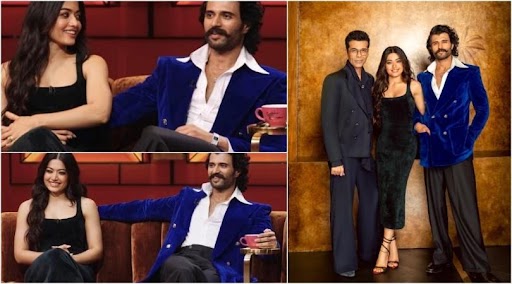
A celebrity can spend years building a public image, then watch a single sentence become the only thing people discuss. An edited clip travels across platforms, audiences add their own readings, and the original moment gets harder to find. That pattern has surfaced again after Vijay Deverakonda and Rashmika Mandanna’s recent appearance on Koffee With Karan sparked a major controversy surrounding misogyny in a relationship.
The episode prompted debate after Rashmika revealed that Vijay had asked her to propose marriage to him 100 times before he could decide. Viewers read the exchange in different ways with many calling Vijay’s behaviour misogynistic, manipulative and arrogant. Rashmika later explained that the couple had wanted time to understand each other and think through the practical parts of marriage. Both actors also responded to the strong online reactions over their relationship dynamic.
What followed offers another lesson in reputation management. A public response can sometimes attract as much scrutiny as the original controversy. For celebrities and their communication teams, the challenge is knowing how to clarify a position without giving the debate another reason to continue.
The couple have separately reported a complaint to cybercrime authorities over allegedly fabricated posts and manipulated screenshots. The distinction matters. Audiences can criticise a public comment; false material and targeted harassment call for a different response.
This episode offers a useful lesson for public figures. A remark does not need to contain an insult or a deliberate provocation to affect how people see its speaker. Tone, timing, the setting and the audience’s expectations all shape what travels. Interviews also leave room for clips to circulate without the exchange that gave them meaning. Once a line takes on a life of its own, a quick reaction can add more material for people to debate.
Rashmika and Vijay’s responses to the debate show why candour alone may not close a controversy. Rashmika explained how they reached their decision, then described the online reaction as an “angry mob” and some criticism as “bullying dressed up as feminism.” Those broad labels risked blurring the line between criticism and abuse, creating a second dispute over whether the backlash itself counted as bullying.
Vijay affirmed his marriage, then used profanity to dismiss critics. His closing line gave the news cycle another provocative quote and shifted attention from his explanation to his anger. From a communications perspective, the confrontational language risked drawing attention away from his explanation. A more measured clarification, while firmly addressing fabricated content and harassment, could have helped keep the focus on the original context.
Celebrity PR does not mean scripting every answer or sanding away a person’s character. It helps public figures understand where a phrase could land, prepare for difficult questions and speak in a way that sounds like them under pressure. When a controversy starts, advisers can help identify the real issue, check what the public has seen and decide whether a response will add clarity.
An important part of that judgement is recognising when a response has served its purpose. Continuing to engage with every criticism can prolong a controversy, particularly when the discussion has moved away from the original issue. Knowing when to stop responding is as important as knowing what to say.
That work has to begin even before a crisis starts. Media training can help a celebrity practise concise answers, pause before reacting, distinguish personal opinion from a project or brand position, and avoid letting a loaded question dictate the whole exchange.
It also helps teams agree on decision points. Who responds? Which channel fits? What facts need checking? When should a spokesperson decline to comment? A plan gives the celebrity room to be candid without improvising every move in public.
When a response becomes necessary, the message should address the concern directly. A clarification can explain the missing context. An apology should name the harm and take responsibility where the person caused it. A factual correction can address misinformation. Each response needs a different tone and a different next step. Copying a standard apology into every situation rarely meets the moment.
In 2018, Priyanka Chopra apologised after backlash over a Quantico episode that depicted a Hindu terrorist plot. The show’s producers also apologised and clarified that Chopra did not write or direct the episode. The case shows why teams should establish who made a decision and who can address it, while still recognising the audience’s concern. A clear apology and a clear account of responsibility can sit together.
Akshay Kumar’s 2022 paan masala endorsement drew criticism because audiences connected it with his previous public stance on tobacco promotion. He apologised, said he would step back from the association and pledged to donate the endorsement fee. His response paired words with an action audiences could evaluate. That offers a practical lesson for endorsement disputes. A statement carries more weight when the person also changes the decision that triggered the criticism.
Aamir Khan’s 2015 comments about rising intolerance prompted intense backlash and claims that his family planned to leave India. He clarified that neither he nor his wife intended to leave, while standing by the concern he had expressed. The episode shows how a clarification can correct a factual impression while keeping the original point intact. It also shows why speakers should anticipate which phrase could eclipse the rest of an answer.
These cases do not prove that a PR intervention alone restores a reputation. Public trust takes shape over time through a person’s conduct, work and repeated communication. They do show how a measured response can reduce confusion, accept responsibility where needed and give audiences something more useful than another round of argument.
A strong celebrity communications plan includes regular media training and practice, clear message priorities, social listening and a response process for fast-moving stories. Teams should also separate criticism from abuse, speculation from verified fact, and a genuine mistake from an edited clip. That discipline helps them avoid dismissing valid concerns or amplifying claims that lack evidence.
The best response may sometimes involve saying less. A direct statement, delivered by the right person, can close a gap in understanding. A longer interview can help when audiences need context. Legal or platform action may fit fabricated content, impersonation or targeted harassment. Teams should choose the step that matches the problem, then follow through consistently.
A celebrity’s public image rests on whether audiences see honesty, judgement and accountability when a difficult moment arrives and they don’t have to be perfect all the time. Preparation gives public figures a better chance to show all three.
At Star Squared PR, media training and reputation management work together. We prepare spokespeople for interviews and difficult questions, develop clear response strategies, monitor emerging conversations and help clients communicate with care when scrutiny rises. For celebrities and their teams, that preparation can make the difference between a response that deepens confusion and one that helps the public understand what happened. Get in touch with us today!